web app development
Web apps, built
by one engineer.
Full-stack Next.js, React, and TypeScript - designed, built, and shipped by one senior engineer. Fixed-price build or a flat monthly subscription.
start here
Four situations.
Find yours.
Most people arrive knowing what's stuck, not which engagement fixes it. Pick the line that sounds like you.
if this is you
“I have a spec and no technical co-founder.”
The product is clear in your head or on paper. What you need is someone to build and ship it, not a codebase to manage.
start with
A fixed-scope Web Build. Scoped with you, priced up front, deployed to production.
if this is you
“My product is live but nothing ever ships.”
Features stack up, bugs linger, and the roadmap has not moved in a month because there is nobody to move it.
start with
The Web Subscription. Unlimited requests, one at a time, deployed progress every week.
if this is you
“I inherited a codebase nobody can explain.”
The original developer or agency is gone, and you need to know what you actually own before spending anything on it.
start with
A short paid audit first - what is there, what is risky, what it costs to move forward. Then the work picks up from there.
if this is you
“I don't know if this needs a build or a subscription.”
You have a problem and a budget, but the shape of the engagement is genuinely unclear.
start with
Fifteen minutes and I'll tell you which one fits - including when the honest answer is neither.
why it's different
Agencies sell hours.
This sells a shipped product.
One engineer, the whole stack
Frontend, backend, database, deploy, and the boring glue in between - owned by the same person who talks to you. No tickets bouncing between a designer, a frontend team, and an outsourced backend.
Modern stack, shipped to production
Next.js, React, and TypeScript on infrastructure that scales - Vercel, edge functions, Postgres, the tools that let one person move like a team. Built to ship, not to demo.
AI-leveraged, senior-reviewed
Modern AI tooling does the grunt work; nothing ships without passing one set of senior hands. You get agency-level throughput without paying for project managers or anyone learning on your codebase.
You own everything
Code in your repository, deploys from your accounts, no proprietary lock-in. If the engagement ends, you lose nothing.
how it works
Tell me what you need
A call or a short brief. New product, a rebuild, or a stalled project you need taken over - I'll tell you honestly which engagement fits, including "none of them."
Scope or subscribe
A defined build gets a fixed scope and price. Ongoing product work runs on a monthly subscription with one request in progress at a time.
Ship in visible increments
You see deployed progress every week on a preview URL - something you click, not a status report you read.
Launch and keep moving
Production deploy, monitoring, and the steady stream of fixes and features that every live product needs. A web app that stops shipping starts rotting.
proof
Code I wrote runs
on 10,000+ sites.
Products built solo and maintained for years - including a plugin whose install base cannot afford a bad release.
case study
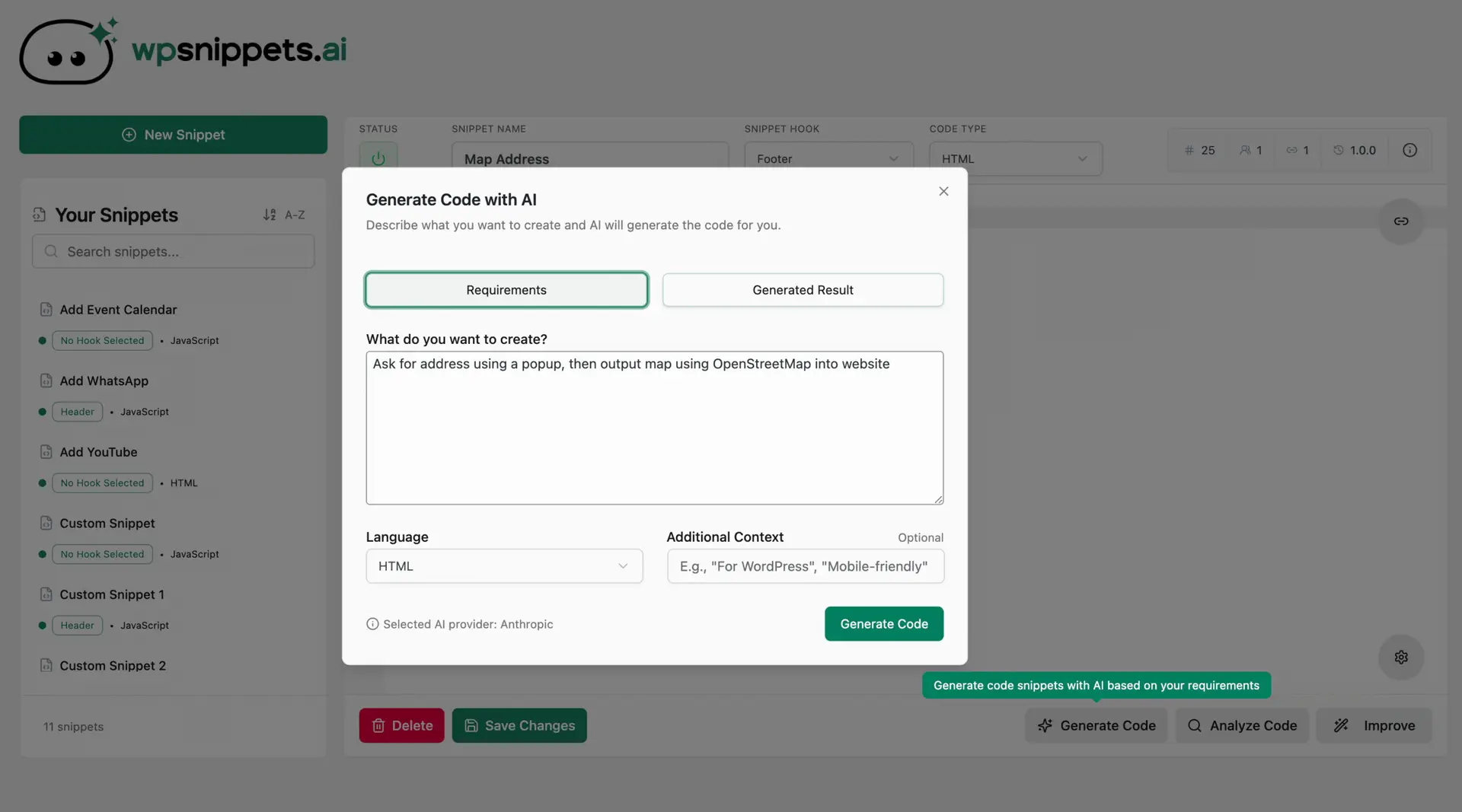
WP Snippets AI
AI-native WordPress product built solo - four providers, React admin, 20+ hook locations.
“This is the first time I've used the website. I was apprehensive. Working with Aditya was a huge win. He was able to meet the needs requested and was extremely responsive.”
“Very knowledgeable, and was able to pinpoint some critical bugs and communicate the best options moving forward.”
also in this space
- CSS & JavaScript Toolbox — Core maintainer of a 15-year-old plugin running on 10,000+ sites.
- AI Blackout — Block AI crawlers and reserve your rights against AI training.
- CheckMate — Highlight a claim, right-click, and get a verdict with real sources.
10k+
541k+
96/100
49
pricing
Two ways to work.
Web Build
Idea or spec to a shipped product. Fixed scope, fixed price.
- -Product scoping & architecture done with you
- -Design, development, and testing
- -Next.js / React / TypeScript, deployed to production
- -Auth, payments, and integrations wired in
- -You own the code, accounts, and IP
- -30 days of post-launch fixes included
Web Subscription
A product team of one, on subscription.
- -Unlimited requests, one in progress at a time
- -Deployed progress every week
- -Features, fixes, refactors, and performance work
- -Direct line to the person doing the work
- -Pause or cancel anytime - no contracts
from a client who paid for this
“This is the first time I've used the website. I was apprehensive. Working with Aditya was a huge win. He was able to meet the needs requested and was extremely responsive.”
Somewhere between the two, or not sure it's either? Describe it and I'll tell you which shape fits.
questions
What kind of web apps do you build?
Full-stack product work: SaaS dashboards, marketplaces, internal tools, marketing sites with real backends, and the API layers behind them. If it runs in a browser and needs an engineer who owns the whole stack, it fits.
What's your stack?
Next.js, React, and TypeScript on the frontend; Node/edge functions, Postgres, and the modern hosting platforms (Vercel and friends) on the backend. I pick boring, proven tools so the thing is still maintainable a year from now.
Fixed price or subscription - which should I pick?
A clearly-defined build with a known scope gets a fixed price. An evolving product that needs continuous work runs better on a subscription. Not sure which? Book a call and I'll recommend the right shape.
Can you take over an existing codebase?
Yes. Takeovers start with a short paid audit so the current state is clear, then the work picks up from there.
How does one engineer keep pace with an agency?
Leverage. I direct modern AI tooling the way an agency directs its junior developers - except nothing ships without passing through one set of senior hands, and the same person owns the architecture, the deploys, and the conversation with you.
Who owns the code?
You do, completely. The code lives in your repository and ships from your accounts. No lock-in is a feature of the service, not a risk to it.
next step
Describe your build.
Three ways in, depending on how sure you are. All of them reach the same person.
if you know what you need
Start a project
Two minutes of questions, then an honest recommendation on scope, shape and price - including which package I'd actually put you on.
Start a projectif you want to talk it through
Book a free 15-minute call
You leave with scope, timeline, and a real number - or an honest "this isn't for me". No deck, no drip sequence, no deciding on the call.
if you just have a question
Send a plain email
One paragraph is enough. It reaches me directly - no form, no ticket number, no autoresponder pretending to be a person.
Email me